How to Appeal a Denied OWCP Claim
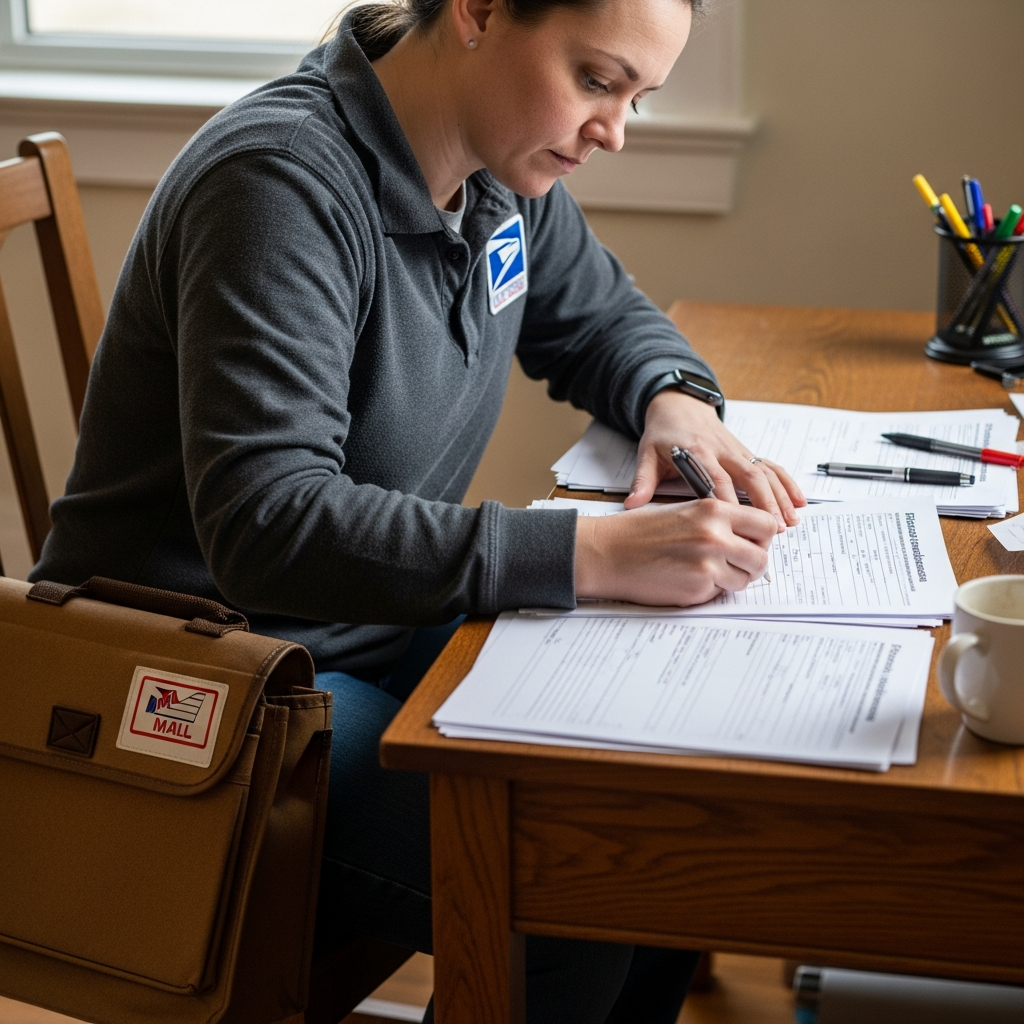
You’ve been nursing that aching back for months now – the one that started acting up after that awkward lift in the supply room. Or maybe it’s the persistent shoulder pain from all those repetitive motions at your desk job. You finally worked up the courage to file a workers’ compensation claim, thinking… well, hoping… that you’d get the help you deserve.
Then the letter arrives.
DENIED.
Just like that. After weeks of paperwork, doctor’s appointments, and explaining your situation over and over again, someone behind a desk decided your legitimate injury doesn’t qualify for coverage. You’re staring at this official-looking document, and honestly? It feels like a punch to the gut.
If you’re a federal employee, you know that dealing with the Office of Workers’ Compensation Programs (OWCP) can feel like navigating a maze blindfolded. And when your claim gets denied – which happens more often than you’d think – it’s not just disappointing. It’s financially devastating. We’re talking about medical bills piling up, lost wages, and the gnawing worry about how you’re going to manage while you’re trying to heal.
Here’s what they don’t tell you in that sterile denial letter: this isn’t the end of the road. Not even close.
The appeals process exists for a reason – because the initial review process isn’t perfect. Sometimes crucial information gets overlooked. Sometimes the connection between your job duties and your injury isn’t immediately obvious to the claims examiner who’s never done your work. Sometimes… well, sometimes the system just gets it wrong.
I’ve worked with countless federal employees who felt completely defeated after their first denial. They assumed that was it – case closed, dreams of recovery assistance crushed. But here’s the thing: many of those same people eventually won their appeals and got the coverage they needed. The difference? They understood how to navigate the system effectively.
You see, appealing an OWCP denial isn’t just about resubmitting the same paperwork with your fingers crossed harder this time. It’s about understanding what went wrong in the first place, gathering the right evidence to address those specific concerns, and presenting your case in a way that speaks the language of workers’ compensation law.
Maybe your initial claim was denied because the medical evidence wasn’t clear enough about the connection between your work and your injury. Or perhaps the timeline of events wasn’t properly documented. Sometimes it’s as simple as missing forms or incomplete statements from witnesses. The good news? All of these issues are fixable.
Throughout this guide, we’re going to walk through everything you need to know about turning that “no” into a “yes.” We’ll break down why claims get denied in the first place – because understanding the common pitfalls helps you avoid them. You’ll learn exactly what evidence strengthens your appeal (hint: it’s often different from what you submitted initially), and we’ll give you a step-by-step roadmap for each stage of the appeals process.
We’ll also talk about timing – because yes, there are deadlines you absolutely cannot miss. But don’t panic if you’re reading this weeks after receiving your denial letter. There’s likely still time to act, and we’ll help you figure out exactly where you stand.
More importantly, we’ll discuss how to tell your story effectively. Because that’s really what an appeal is – it’s your chance to help the decision-makers understand not just what happened to you, but why it matters and how it connects to your federal employment. It’s about painting a complete picture that maybe wasn’t fully visible the first time around.
Look, I won’t sugarcoat it – the appeals process takes patience. It requires attention to detail and a willingness to advocate for yourself when you’re probably already feeling worn down. But here’s what I’ve learned from working with federal employees for years: the people who persist, who understand the system, and who approach their appeals strategically… they often win.
Your injury is real. Your need for support is legitimate. And that denial letter? It’s just the first word in a longer conversation you’re going to have with OWCP. Let’s make sure the next words are yours – and that they’re compelling enough to change the outcome entirely.
What OWCP Actually Does (And Why They Say No So Often)
Think of OWCP – the Office of Workers’ Compensation Programs – like that friend who’s really generous with their own money but suddenly becomes an accountant when you ask to borrow twenty bucks. They’re part of the Department of Labor, and their job is to pay medical bills and lost wages for federal employees who get hurt or sick because of work.
But here’s the thing that trips everyone up… OWCP operates under this assumption that your injury probably *isn’t* work-related until you prove otherwise. It’s like being guilty until proven innocent, which feels backward and frankly, pretty frustrating when you’re already dealing with pain or illness.
The Paper Trail That Rules Your Life
OWCP lives and breathes documentation. If it’s not written down, signed, dated, and filed in triplicate – it basically didn’t happen in their world. This isn’t because they’re trying to be difficult (well, not entirely). Federal workers’ comp involves taxpayer money, so they’ve got to dot every i and cross every t.
Your claim file becomes this growing beast of medical reports, witness statements, supervisor notes, and forms with names like CA-1 and CA-2. Each piece of paper either strengthens your case or… doesn’t. There’s not much middle ground.
Common Reasons Claims Get the Boot
Most denials fall into a few predictable categories, and honestly, some of them will make your eye twitch
Medical evidence issues top the list. Maybe your doctor’s report doesn’t clearly connect your condition to work activities. Or – and this one’s particularly maddening – the medical terminology doesn’t match what OWCP wants to hear. Sometimes it’s as simple as your doctor saying you have “back strain” when OWCP needs them to specify exactly which muscles, ligaments, or discs are affected.
The causation problem trips up tons of claims. You know your carpal tunnel came from years of typing government reports, but proving that chain of events isn’t always straightforward. OWCP needs to see a clear line from Point A (your job duties) to Point B (your injury). If you’ve got any pre-existing conditions or if the injury developed gradually… well, that line gets pretty blurry.
Then there’s the timing issue – you’ve got specific deadlines for everything, and missing them by even a day can torpedo your claim. It’s like the world’s most unforgiving game of bureaucratic hopscotch.
The People Making These Decisions
Claims examiners are the folks reviewing your paperwork and deciding your fate. They’re not doctors – they’re trained to evaluate claims based on specific criteria and federal regulations. Think of them as referees in a game where the rulebook is thousands of pages long and gets updated regularly.
Most claims examiners are actually trying to do right by you, but they’re working within a system that values consistency and following protocol above all else. They’ve got supervisors breathing down their necks and quality control reviews to worry about.
Why Appeals Often Succeed
Here’s something that might surprise you – a significant number of appealed claims eventually get approved. Why? Because the initial review process moves fast, sometimes too fast. Appeals give you the chance to fill in gaps, clarify confusing medical records, or present evidence that wasn’t available during the first go-round.
Appeals also get reviewed by different people – often with more experience or a fresh perspective. It’s like getting a second opinion, except this second opinion can actually change your financial situation.
The Weird World of Federal Workers’ Comp
OWCP operates differently from state workers’ comp systems or private insurance. For starters, there’s no statute of limitations for filing occupational disease claims. You could develop lung problems from asbestos exposure decades ago and still file a claim today.
But – and this is where it gets counterintuitive – having “no time limit” doesn’t mean it’s easier to prove your case. The longer you wait, the harder it becomes to gather evidence and witness statements.
Another quirk: OWCP doesn’t just look at whether you were injured at work. They examine whether your specific job duties caused or aggravated your condition. This distinction matters more than you might think, especially for repetitive stress injuries or conditions that develop over time.
The appeals process exists because this system is complicated, nuanced, and honestly… sometimes gets it wrong the first time around.
The 20-Day Window – Don’t Let It Slip Away
Here’s something most people don’t realize: you’ve got exactly 20 working days from when OWCP mails you that denial letter to file your appeal. Not calendar days – working days. And here’s the kicker… the clock starts ticking from the postmark date, not when you actually receive it.
I’ve seen too many valid claims die simply because someone thought they had more time. Mark your calendar immediately. Better yet – aim to submit your appeal within 15 days to give yourself breathing room.
The Real Reason Your Claim Was Denied (And How to Fix It)
Most denials aren’t about whether you were actually injured – they’re about paperwork problems. OWCP loves to deny claims for “insufficient medical evidence” or “failure to establish causal relationship.” Sounds scary, but it’s usually fixable.
Get a copy of your entire case file. You’re entitled to it, and you need to see exactly what OWCP is looking at. Call 1-866-999-3322 and request it – this isn’t optional detective work, it’s essential homework.
Look for these common gaps
– Missing Form CA-20 (your doctor’s detailed report about causation) – Vague injury descriptions that don’t clearly link to work activities – Conflicting dates between your initial report and medical records – Missing witness statements (if others saw the incident)
The Secret Weapon: Form CA-7 Strategy
Here’s something most people miss entirely… if you’re still receiving continuation of pay (COP) when your claim gets denied, you’ve got a golden opportunity. File a Form CA-7 immediately – this converts your time loss to actual medical benefits and often forces OWCP to take another, more careful look at your case.
Think of it this way: you’re essentially saying “Okay, you denied my injury claim, but you’re still paying me for time off work because of this same injury. Explain that logic.” It creates an uncomfortable contradiction for OWCP that often works in your favor.
Building Your Medical Evidence Fortress
Your doctor might be brilliant, but they probably don’t speak “OWCP language.” You need to help translate. When you visit for your appeal documentation, bring a written list of your specific work duties. Don’t just say “lifting” – explain that you lift 50-pound boxes from floor level to shoulder height, approximately 100 times per shift.
Ask your doctor to address these specific points in their report
– The exact medical mechanism of how your work activities caused your condition – Why your symptoms are consistent with this type of work exposure – A clear statement that your condition is “more likely than not” related to your work (this specific phrase carries legal weight)
And here’s a pro tip… if your doctor seems hesitant or unfamiliar with workers’ compensation, consider getting a second opinion from someone who specializes in occupational medicine. It might cost you upfront, but it could save your entire case.
The Art of Writing Your Reconsideration Request
Don’t just send new medical evidence and hope for the best. Write a detailed letter explaining exactly why the denial was wrong. Reference specific paragraphs from the denial letter and systematically address each concern.
Use this formula: “OWCP stated [quote their exact words], however, the attached evidence shows [your counter-argument].” Be methodical. Be thorough. Pretend you’re a lawyer making a case – because essentially, that’s exactly what you’re doing.
The Nuclear Option: Hearing Before a Representative
If reconsideration fails, you can request a hearing before an OWCP hearing representative. This isn’t just a formality – it’s your chance to present your case to a human being who can ask questions and see beyond the paperwork.
Prepare like it matters (because it absolutely does). Organize your evidence chronologically. Practice explaining your case clearly and concisely. Bring witnesses if they saw your incident or can testify about how the injury has affected your work abilities.
The hearing representative has broad authority to overturn denials, and they often catch things the initial reviewers missed. It’s not uncommon for claims that seemed hopeless to get approved at this level.
Your Follow-Up Game Plan
After you submit your appeal… follow up. OWCP won’t call you with updates. Check your case status online regularly, and don’t hesitate to call if things seem stalled. Squeaky wheels get attention in the federal bureaucracy.
Document every phone call, every submission, every interaction. Keep copies of everything. This paper trail becomes crucial if you need to escalate further or if there are any disputes about what was submitted when.
Remember – persistence often matters more than perfection in the OWCP world.
The Paperwork Nightmare That Keeps Everyone Up at Night
Let’s be honest – OWCP forms feel like they were designed by someone who’s never actually filled out a form in their life. You’re dealing with medical terminology you don’t understand, deadlines that seem arbitrary, and questions that make you wonder if they’re even asking about your case.
The biggest mistake? Rushing through these forms because you just want them done. I get it… really, I do. But here’s the thing – incomplete or inconsistent information is like handing the claims examiner a reason to say no on a silver platter.
Start with copies. Make photocopies of everything before you even pick up a pen. That way, you can draft your responses, cross things out, make notes in the margins – basically turn it into the messy workspace it needs to be before you create that pristine final version.
And those medical questions that sound like they’re written in ancient Greek? Don’t guess. Call your doctor’s office and ask them to explain what they mean by “mechanism of injury” or “functional limitations.” Most medical assistants have dealt with these forms before and can translate the bureaucratic speak into normal human language.
When Medical Evidence Becomes a Moving Target
Here’s something nobody tells you – the medical evidence that seemed rock-solid when you first filed can start looking pretty shaky under scrutiny. Maybe your initial doctor’s visit focused on getting you back on your feet, not building a legal case. Maybe the connection between your work duties and your injury wasn’t spelled out clearly enough.
The solution isn’t to panic and start doctor-shopping (trust me, that looks worse). Instead, you need to work with your current medical team to strengthen the narrative. Ask your doctor to write an addendum that specifically addresses work-relatedness. Use phrases like “more likely than not” – that’s the magic language OWCP wants to see.
Actually, that reminds me… if your doctor uses wishy-washy language like “could be related” or “possibly connected,” you’re in trouble. OWCP needs certainty, or at least the medical equivalent of certainty. A good physician’s statement will connect the dots clearly: “Patient’s lumbar strain is directly related to the lifting incident on [specific date] based on the timing of symptom onset and mechanism of injury.”
The Witness Testimony Trap
You’d think getting witness statements would be straightforward. Someone saw what happened – they write it down – case closed, right? Not quite.
The problem is that most people write witness statements like they’re telling a story to a friend. They include irrelevant details, skip the important stuff, and use vague language that doesn’t help your case at all. Plus, memories get fuzzy over time, so that coworker who was standing right there six months ago might not remember the specifics anymore.
Here’s what actually works: Give your witnesses a framework. Help them understand what information matters. The exact time, the specific task you were performing, what they observed immediately after the incident. Don’t put words in their mouths, but do help them organize their thoughts around the facts that matter.
And timing? Critical. The longer you wait, the more likely people are to transfer departments, quit, or simply forget the details that could make or break your appeal.
Missing Those Sneaky Deadlines
OWCP deadlines aren’t suggestions – they’re hard stops. Miss a deadline by even one day, and you might as well have not filed at all. But here’s the really frustrating part: different types of appeals have different deadlines, and they don’t always start counting from the same date.
Some deadlines start from when you received the decision letter. Others start from the date on the letter itself. Some give you 30 days, others give you 90. It’s like they designed the system to trip people up… which, honestly, they might have.
The only real solution is to become obsessive about dates. Mark every deadline on multiple calendars. Set phone reminders. Ask a family member to be your backup reminder system. And always – always – mail things certified with return receipt requested. That little green card might be the only thing standing between you and a “we never received it” response.
When Your Own Work History Becomes Evidence Against You
Sometimes the very thing you think helps your case actually hurts it. Maybe you worked through pain for weeks before reporting the injury. Maybe you have a history of back problems that predates this incident. Maybe you mentioned to someone that you hurt yourself at home doing yard work.
These details don’t automatically disqualify you, but they do complicate things. The key is addressing them head-on rather than hoping nobody notices. Work with your representative to craft a narrative that acknowledges these complications while still supporting your claim.
What to Realistically Expect During Your Appeal
Let’s be honest – nobody wants to hear this, but OWCP appeals aren’t exactly known for their lightning speed. We’re talking months, not weeks. Sometimes… well, sometimes it feels like you’re waiting for paint to dry in slow motion.
A reconsideration request typically takes anywhere from 3-6 months to get a decision. Hearing requests? You’re looking at 6-12 months, and that’s if everything goes smoothly. If your case is complex or there’s a backlog (and there usually is), it could stretch even longer.
I know – it’s frustrating when you’re dealing with medical bills and can’t work. But here’s the thing: rushing through your appeal because you’re anxious about timing is like trying to bake a cake at 500 degrees. You might get something faster, but it won’t be what you wanted.
The good news? You can use this time productively. Keep gathering evidence, stay on top of your medical care, and document everything. Think of it as building a fortress rather than just throwing together a quick shelter.
The Emotional Rollercoaster (And How to Stay Sane)
Here’s what nobody tells you about OWCP appeals – they’re emotionally exhausting. One day you’ll feel confident about your case, the next you’ll be lying awake at 3 AM wondering if you should’ve worded something differently in your statement.
That’s… completely normal. Actually, I’d be more worried if you weren’t feeling some anxiety about this process.
You might go through phases where you obsessively check for updates (spoiler alert: checking the website seventeen times a day won’t make them decide faster). Then you’ll have periods where you try to ignore the whole thing and pretend it’s not happening.
Both reactions? Totally human. But here’s a little trick that helps: set aside one specific day each week to deal with OWCP stuff. Check for updates, organize documents, follow up on medical appointments. Then, for the rest of the week, try to let it go. Easier said than done, I know, but it helps prevent the constant low-level stress from taking over your life.
Building Your Support Network
You don’t have to do this alone – and honestly, you shouldn’t try to. This process can feel isolating, especially when well-meaning friends and family don’t quite understand why it’s taking so long or why you can’t just “find another job.”
Consider connecting with others who’ve been through similar experiences. Online forums, support groups, even that coworker who went through their own OWCP claim three years ago. Sometimes just talking to someone who gets it can make a huge difference.
And don’t underestimate the value of professional support. Whether that’s a counselor to help with the stress, a patient advocate, or an attorney who specializes in federal workers’ compensation – these people exist because this process is genuinely challenging.
Staying Organized While You Wait
I’m going to share something that might sound a bit obsessive, but trust me on this – create a simple timeline document. Nothing fancy, just dates and what happened: when you filed, when you got responses, when you submitted additional evidence.
Why? Because three months from now, when someone asks you about timing or you need to reference something, you won’t be trying to remember if that doctor’s report came before or after your hearing request. Your future self will thank you.
Also, keep copies of everything. And I mean everything – emails, letters, medical records, even notes from phone calls with OWCP representatives. You know that feeling when you’re looking for something important and you *know* you put it somewhere safe? Yeah, let’s avoid that entirely.
Moving Forward With Realistic Optimism
Look, I can’t promise your appeal will be successful – that depends on the specifics of your case, the evidence you have, and frankly, sometimes factors that feel pretty arbitrary. But what I can tell you is that many appeals do succeed, especially when people take the time to address the original reasons for denial thoughtfully and thoroughly.
The key is finding that balance between being hopeful and being realistic. Yes, keep pushing forward. Yes, believe in your case if you truly believe your injury is work-related. But also… have a backup plan. Think about what you’ll do if the appeal doesn’t go your way.
This isn’t giving up – it’s being smart. It’s the difference between putting all your eggs in one basket and making sure you’re taking care of yourself regardless of what OWCP decides.
Look, I know this whole process feels overwhelming right now. You’re probably sitting there thinking, “Great, so I need to become a legal expert on top of dealing with my injury?” And honestly? That frustration is completely valid. The OWCP system wasn’t designed to be user-friendly – it was designed by bureaucrats who’ve never had to navigate it while managing pain, medical appointments, and the stress of lost income.
But here’s what I want you to remember… you’re not powerless in this situation. Yes, appealing a denied claim takes effort. Yes, you’ll need to gather documents and write letters and maybe deal with some pretty unhelpful phone representatives. But thousands of people successfully overturn these denials every year – people who felt just as lost as you might right now.
The key is understanding that this isn’t about proving you’re “sick enough” or “hurt enough.” You already know your reality. This is about translating that reality into the specific language and documentation that the system requires. It’s like learning to speak bureaucrat as a second language… annoying, but definitely doable.
Some days, you might feel like giving up. Maybe your claim gets denied again, or you hit another roadblock with medical records, or someone at the office tells you something that contradicts what you heard last week. That’s when you need to remember – this isn’t personal, even though it feels incredibly personal. The system is flawed, not you.
And please, don’t try to handle everything alone. I’ve seen too many people exhaust themselves trying to become experts in federal workers’ compensation law overnight. There are people whose entire job is helping folks like you navigate this maze. Union representatives, legal advocates, even experienced colleagues who’ve been through similar situations – they exist for a reason.
Your health matters. Your financial stability matters. Your peace of mind definitely matters. Don’t let a denied claim convince you otherwise, and don’t let the complexity of the appeals process scare you away from fighting for what you’re entitled to.
Remember, the worst thing that can happen if you appeal? You end up in the same place you are now. But the best thing that can happen… well, that could change everything.
—
Ready to take the next step but feeling uncertain about the process? You don’t have to figure this out on your own. Our team has helped hundreds of federal employees successfully navigate OWCP appeals – from gathering the right medical evidence to crafting compelling reconsideration requests.
We understand the frustration of dealing with claim denials, and we know exactly what the system is looking for. Whether you need help organizing your documentation, understanding your appeal options, or just want someone to review your case and give you honest feedback about your chances…
Give us a call. No pressure, no sales pitch – just a real conversation about your situation and how we might be able to help. Because you deserve support that actually understands what you’re going through.